Sustainability at UP
Building a Sustainable Campus: How Facilities Services is Leading the Way
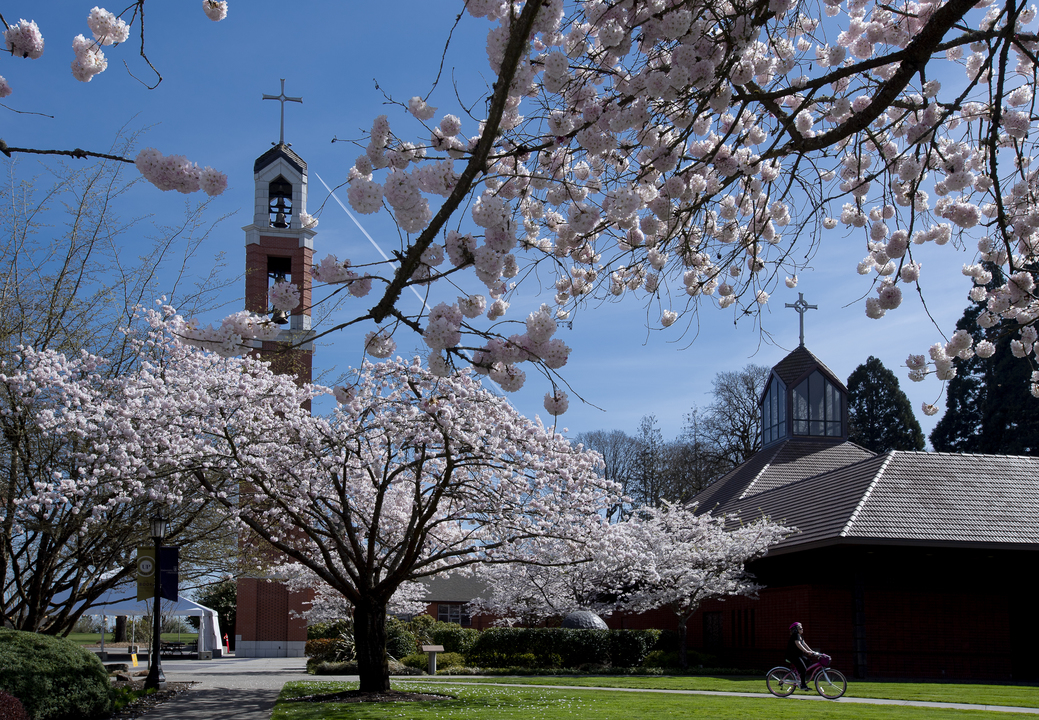
Groundskeeping: Nurturing Nature On Campus
Waste Management:
- 100% of vegetative debris found on our Franz River Campus is left in place to naturally breakdown or to be composted at our onsite facility and eventually be reused onsite. No organic debris ever leaves for the landfill.
- Steps have been taken to repurpose compost created from upper campus to enhance soil conditions on lower River Campus.
- Our riverbanks are policed on a regular basis to remove any deposited upriver contaminants before they can be swept downriver and eventually to the ocean.
Water Management:
- Maintain water retention basins and bioswales to assist with stormwater management, protect groundwater, and support local wildlife. We were 100% compliant in the last City inspections.
- Installing new irrigation management systems with Smart controllers and weather sensors to improve plant survivability in conjunction with reducing waste.
- All River Campus water runoff is captured onsite and controlled through swales and biofiltration to eliminate runoff directed to the Willamette River. Even though campus irrigation uses well water, we aim to use the resource responsibly.
Native Planting: River Campus has been developed with a primary focus on NW Native Plants.
Reduced Herbicide Use: Transition from widespread chemical applications to targeting only for use on invasive plant control has reduced the need for chemicals by over 90%.
Smart Irrigation: Installing new management systems with weather sensors to avoid waste. Even though Campus irrigation uses well water, we aim to use the resource responsibly.
Sustainable Fleet: Transitioned to a fully electric fleet in 2026.
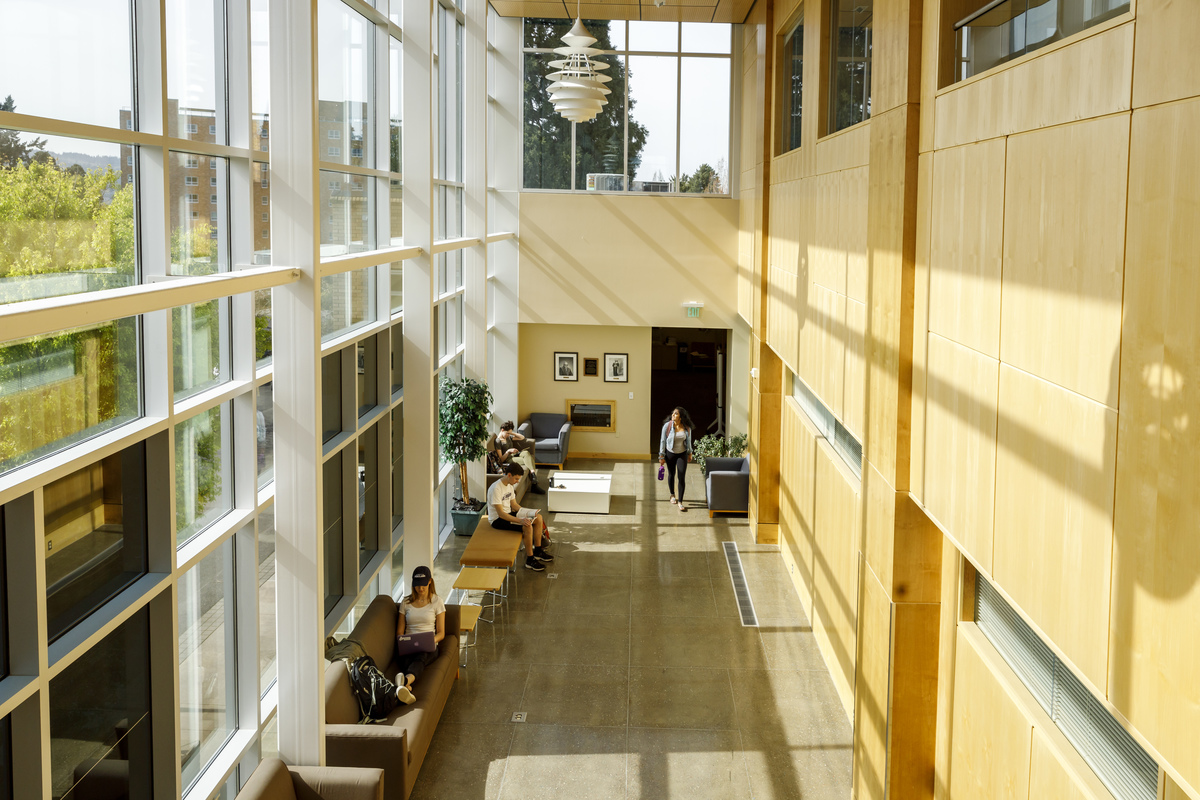
Custodial: Clean, Green, and Responsible
Recycling Education: Ongoing collaboration with Residence Life to improve waste diversion and recycling education. Starting Fall 2025, including informational cards in every dorm room about proper recycling procedures. Learn more at our Recycling web page here.
Aqueous Ozone Cleaning: Implemented in multiple buildings to reduce chemical usage. Learn more about the product here.
Soap2O Program: After a successful pilot program with Soap2O product, we have permanently moved to using these sustainable products in Corrado and Shiley-Marcos. We hope to expand this program in upcoming years. Learn more about these products that minimize waste and emissions here.
Efficient Equipment: In Fall 2025 we added battery-operated vacuums for the cleaning of academic and athletic spaces which reduce energy usage. We also added KAIVAC restroom cleaning machines which reduce water and chemical usage.
Move-Out Donations: We have continued to support Move UP in their efforts of waste diversion and item donation, diverting garbage from the waste stream and supporting nonprofit organizations around the Portland Metro Area.
Sustainability Training and Development: In 2025, we sent three custodians to the EnergyWise training. We plan to continue sending staff members to this training for increased awareness around sustainability practices on campus.
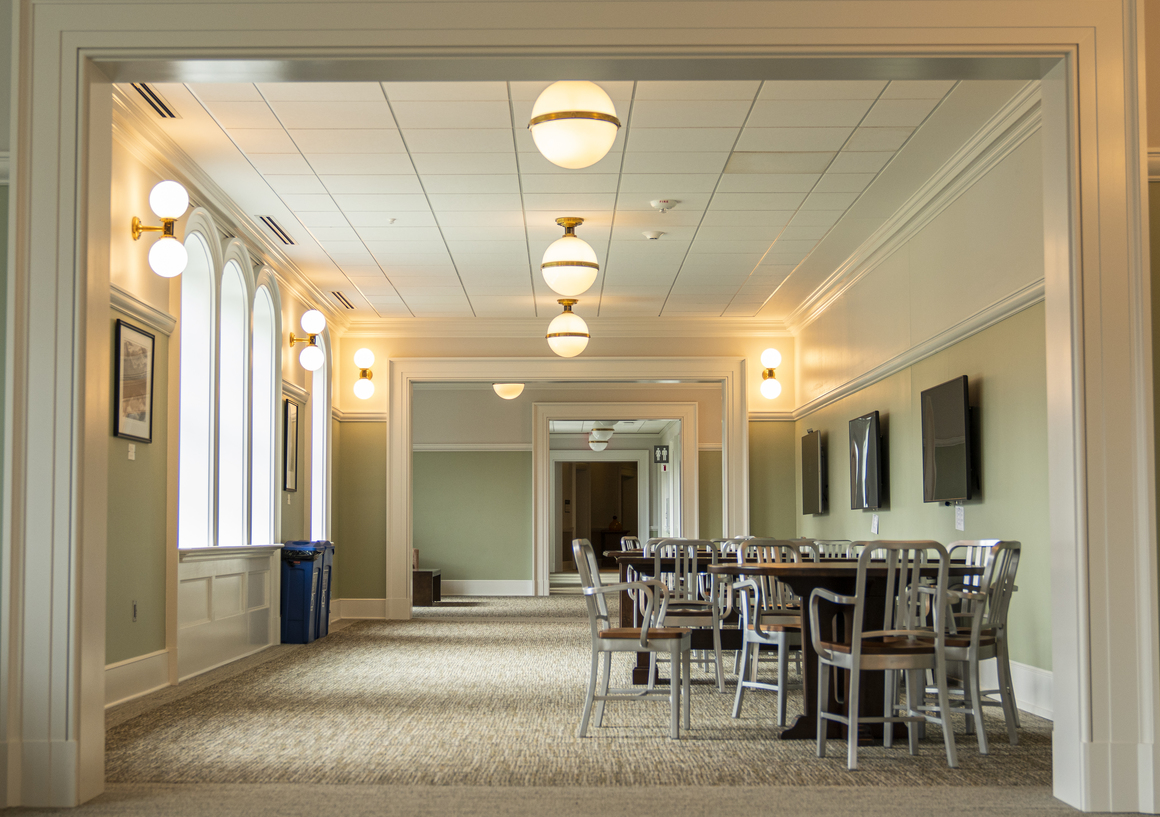
Building Mechanics: Bright Ideas in Efficiency
Lighting – Electrical Savings:
- Ongoing, in-house conversions from fluorescent to LED with over 5,000 fixtures complete. 7 buildings have all circulation and common spaces completely converted.
- Capital-funded projects starting in 2026 to covert Chiles Center and Buckley auditorium to LED and put on smart controls.
Smart Lighting Controls: Standardizing and automating lighting controls to reduce waste.
Water Reduction:
- Installing low-flush diaphragms to lower water usage.
- Replacing older failed plumbing lines reducing water waste.
Sustainable Repairs: Prioritizing refurbishment over replacement for building appliances and system pumps.
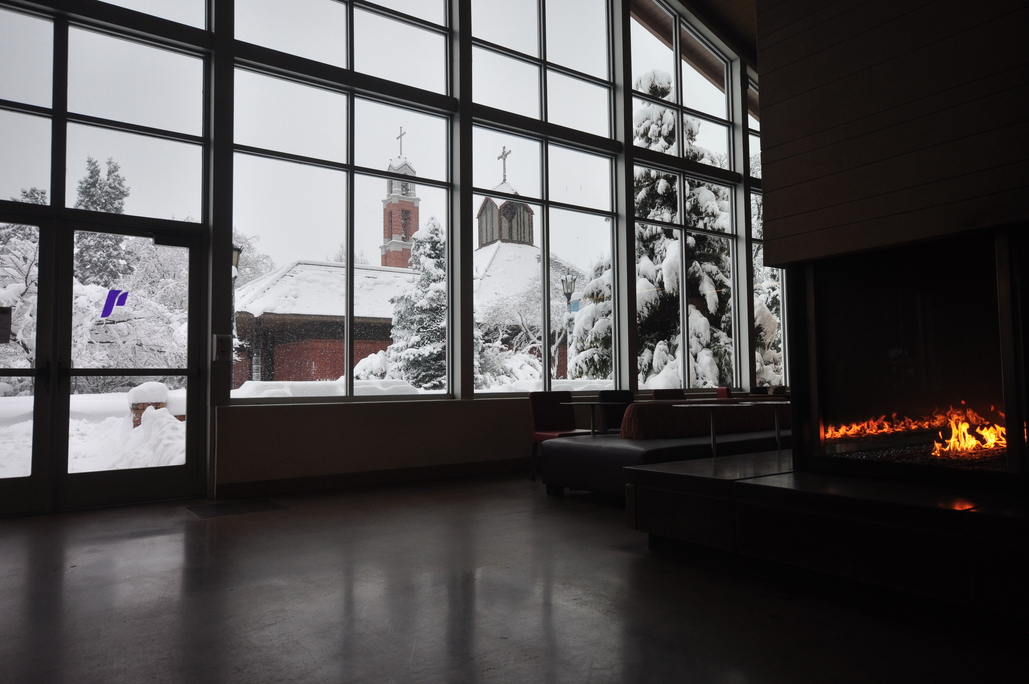
HVAC: Breathing New Life into Sustainability
Optimized Setpoints: Adjusting controls schedules and standardizing set points across campus to minimize energy use while still meeting building needs.
Preventative Maintenance: Staying ahead of issues to avoid energy waste and equipment failure.
Energy Trust of Oregon Partnership: Continually upgrading HVAC equipment for more efficient HVAC systems and partnering ETO for incentive checks (over $100,000 a year that goes back into continued renewals) and reduced energy costs.
Steam System Improvements: Ongoing, starting in 2025, we have re-piped numerous underground steam leaks of our very old steam infrastructure reducing energy waste, boiler system chemical cost and use, and potential damage to our Sequoia trees.
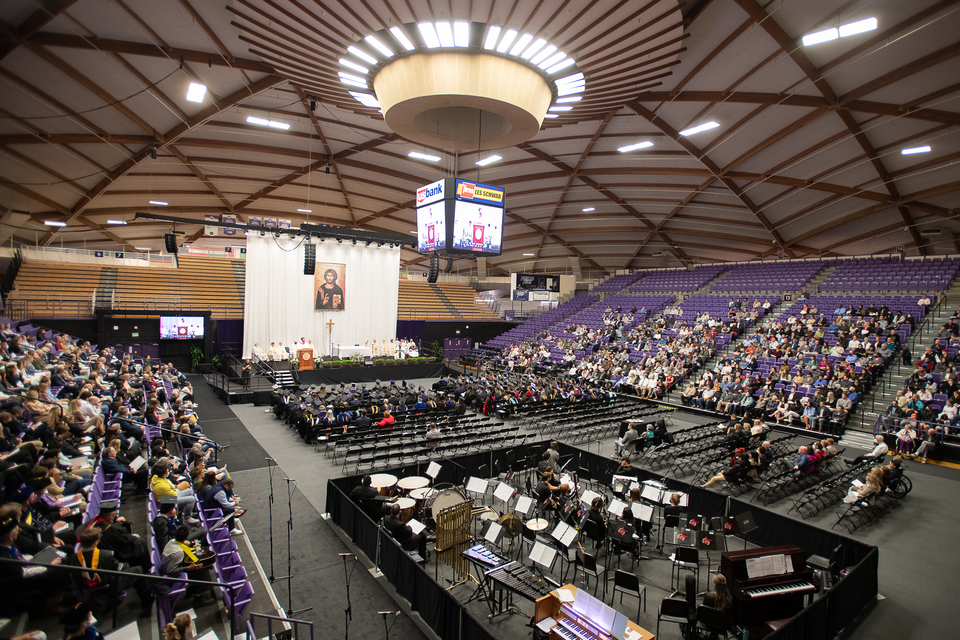
Events Crew: Reducing Waste, One Event at a Time
Efficient Operations: We have increased and added storage locations across campus for University events equipment, reducing vehicle trips around Campus and reducing emissions. Moving to electric vehicles on our fleet.
Furniture Repurposing: Weekly open hours for staff to repurpose campus furniture. Intentional re-use of old furniture around campus when possible. Old items that cannot be repurposed are donated instead of thrown away when possible.
Recycling & Composting: Dedicated bins for scrap metal, wood, and food waste.
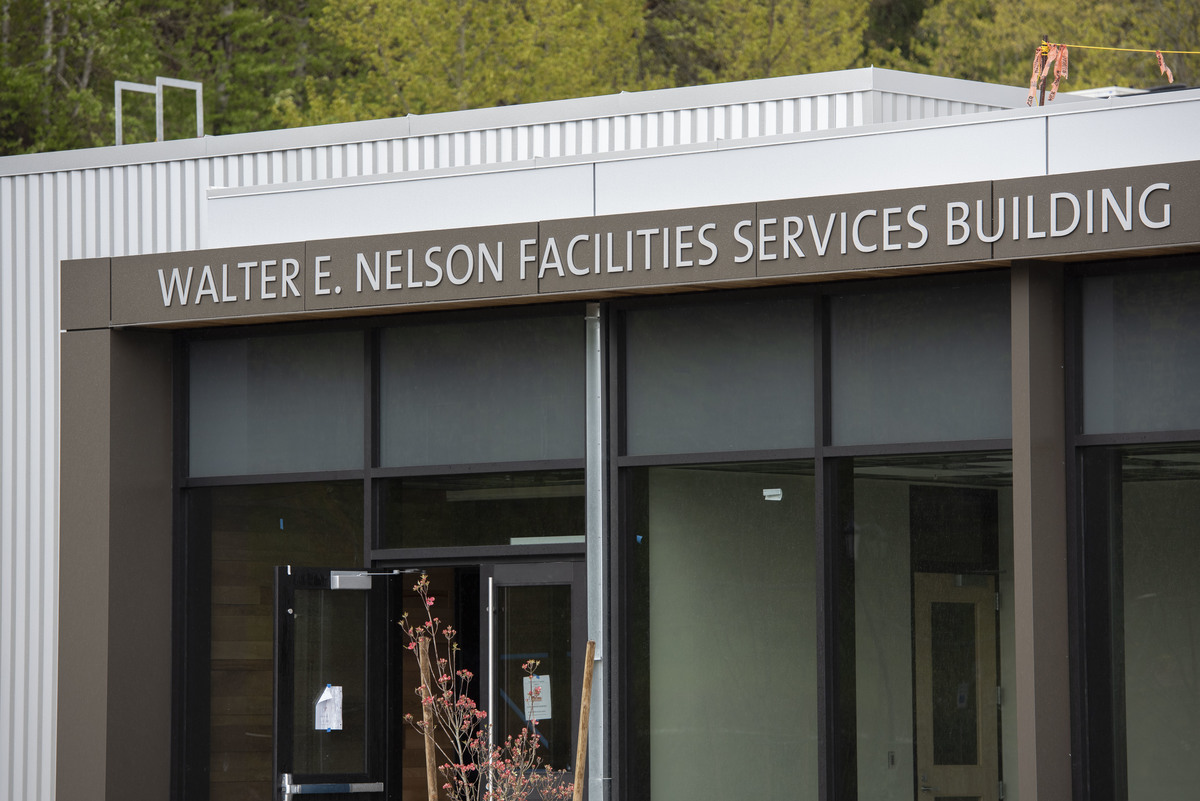
Administration: The Backbone of Our Sustainability
Energy Management: Tracking and optimizing energy usage in key buildings. Learn more about SEM here.
Building Operators Certification: Team leader's certification in sustainability-focused building operations.
Fleet Electrification: Transitioning the department’s fleet to electric vehicles.
Renewable Energy Commitment: Annual goal of decreasing electric and gas consumption by 3% per building.
Demand Response: Enrolled in PGE's Energy Partner On Demand program, which reduces our environmental impact by shifting energy use during peak times.
Strategic Energy Management
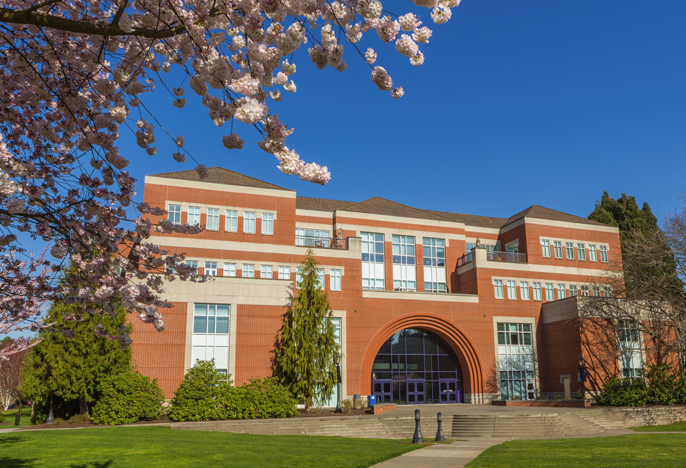
In 2024, through the ten buildings we have enrolled in SEM, we saved 353,092 kWh and 41,327 Therms. Utility data from 2025 coming soon!
SEM Buildings:
- Buckley Center
- Chiles
- Clark Library
- Corrado
- Franz
- Haggerty
- Kenna
- Mago Hunt
- Swindells
- Tyson
Sustainability is a collective effort and responsibility of every individual. Each day we have the opportunity to make conscious decisions that result in a positive change for the world around us. Here at the Physical Plant, we are making significant strides in reducing energy usage and material consumption. Sustainability is an element we consider in every decision that we make. Many of our measurable efforts have resulted from our enrollment in a Strategic Energy Management program (SEM.)
What is Strategic Energy Management?
SEM is a cohort program run by the Energy Trust of Oregon, and the Physical Plant has been a member since 2015. There are ten on-campus buildings enrolled that we specifically track the gas and electricity usage, discuss the reasoning for an increase or decrease in savings, and then we strategize maintenance solutions to minimize energy usage.
Resources
Join Us in Building a Sustainable Future
Learn how you can get involved in our sustainability initiatives.
